

The cost of an average dental examination in 2024-25 was median $60, as per data from the AIHW. The median out-of-pocket cost to the insured was $13, once their health fund benefit was applied. The calculus removal charge was a median of $118, with an additional patient payment of $25 for this procedure during the first visit. The median refers to the middle value among the prices where 50% of claims are lower and 50% are higher. They are indicative of average insurance claims rather than the fees of all dentists’ offices.
Reasons For The Difference In Treatment Price
Private dental clinics set prices independently. There are many reasons for the varying cost at a dental practice Brunswick. They depend on chair time, materials used, laboratory work, dental equipment, and qualifications of the practitioner. An extra fee is charged for a crown produced in an external laboratory as compared to a simple filling. The complexity of the procedure plays an important role: for instance, a tooth crack requires significant effort and several stages of treatment. Material affects the price because metal and ceramic crowns normally differ in price.
The location of the clinic, operation expenses, and duration of the appointment can influence the cost as well. AIHW provides information about the charges at the 90th percentile, which means there is some percentage of people who pay much more than the median. Higher prices may be explained by the equipment or duration of the appointment; however, the clinic must be ready to justify its prices upon request. The higher price itself does not mean it is unreasonable although a patient should know why it is charged.
How To Understand The Treatment Plan?
A treatment plan is always written; it includes the list of suggested procedures. Every procedure is marked with the number of an item and a fee. The same standard item numbers are used by dentists when making a claim to a health fund, so a patient can make sure what procedure they pay for. The plan may include the division into urgent procedures and less urgent ones. It helps to choose which procedures have to be done immediately and which can wait.
Ask the clinic to mark the urgent items and explain the possible consequences of delaying other treatments. There are dental problems which do not cause any noticeable symptoms but still lead to deterioration.
Health Fund Extras, Limits, And That Unwelcome Bill
Dental cover is usually hiding in the extras section of your health insurance policy. Each policy’s got its own limits, waiting periods, and benefit amounts for stuff like fillings, crowns and the dentist’s fancy veneers. Poor you if you’re new to a health fund and a waiting period has you covered. Even when the dentist says ‘no out-of-pocket costs’, think again; you’re gonna get a nasty surprise when you blow through that annual limit.
The government’s got a private health insurance website with a policy comparison tool and a glossary of all the jargon. Check that benefit schedule before booking anything pricey, or you’ll be in for a shock. If you’ve got a question, give your health fund a call and ask them straight out how much they’ll cover for each treatment. And if all else fails, there are public dental services, but don’t expect them to be cheap or easy to get; check the rules in your state first. Oh, and families might want to check if their kids qualify for the Child Dental Benefits Schedule before shelling out for private treatment.
Cosmetic And Restorative, Where Do They Meet?
Restorative dentistry is all about fixing teeth, so fillings, crowns and root canals are your friends. Cosmetic dentistry is all about making a pretty smile, whitening and veneers and all that jazz. The problem is, not all health funds will cover the cosmetic stuff. And then there are the treatments that do both, like a tooth-coloured filling, that not only fixes the tooth but makes it look pretty nice as well.
Choosing the right treatment depends on what’s actually wrong with your tooth, not just some Instagram ‘trend’ you want to follow. Ask your dentist to put the reason for each cosmetic procedure in writing, so you can make an informed decision. Don’t just go with what looks good, go with what’s good for your teeth.
Three Questions To Ask The Dentist
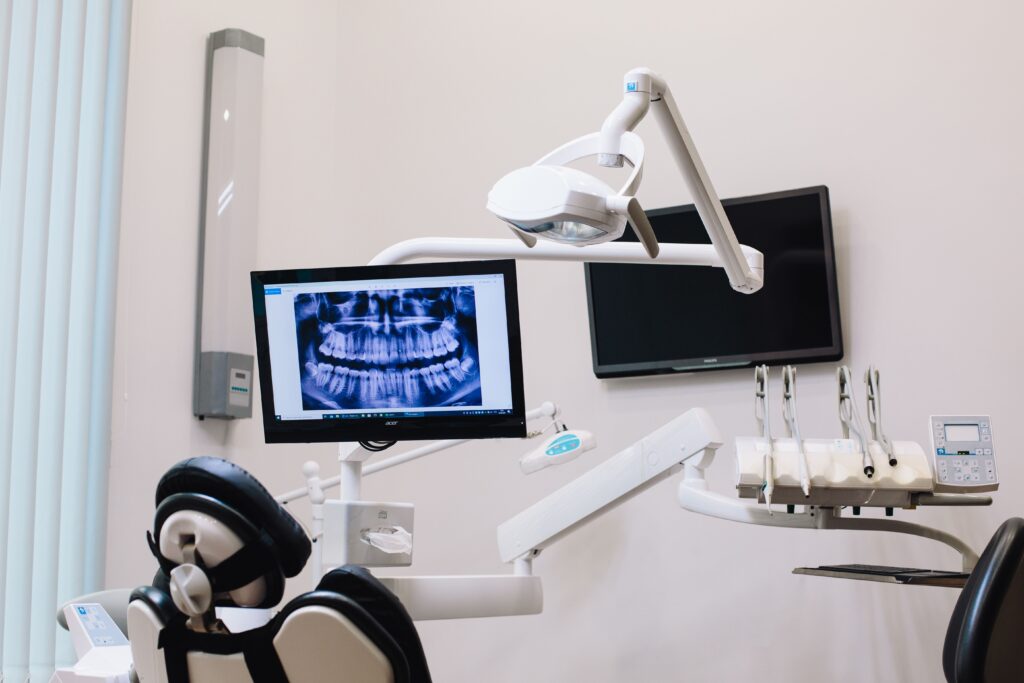
Before you commit to that dental treatment, ask three simple questions: what’s the deal with each item, how much of it’s gonna be covered by your health fund, and what you’ll have to pay out of pocket. Written answers are gold dust, especially when you’re talking hundreds of dollars, because you can check them later. If they’ve sent you some photos or X-rays with the treatment plan, use them to make sense of why the dentist is recommending each procedure.
Checking out your dentist on the national register is a great place to start before treatment begins. Health funds love to publish their benefit tables, so a quote with the item numbers makes it easy to check what you’ll be getting. Ask about payment plans, deposits and those pesky cancellation fees while you’re at it. Keeping all your quotes and estimates in one place will make comparing the costs later a breeze. Don’t be afraid to slow down and read that quote at the dentist’s; it’s free, but a misunderstanding could leave you with a nasty surprise after treatment.