
The world is buzzing with excitement over renewable energy, and solar energy is leading the charge. As technology advances and environmental awareness grows, more homeowners are making the switch to harness the power of the sun. It’s not just about going green; it’s also about saving green in your wallet.
For many people, concerns over upfront costs may have held them back from installing solar panels. But what if you could enjoy all the benefits of solar without facing these financial hurdles? The good news is that innovative financing options now make it easier than ever to embrace clean energy without breaking the bank. Let’s explore how you can step into a brighter future with solar power while keeping those initial costs at bay.
The rise of solar energy in recent years
Solar energy has gained remarkable traction over the past few years. With advances in technology and decreasing costs, homeowners are increasingly turning to this sustainable option.
Government incentives and tax credits have played a crucial role in promoting solar adoption. Many states offer financial benefits that make switching even more appealing, especially for those investing in sunenergy solar panels.
Public awareness about climate change is another driving force behind the surge in solar installations. People want to reduce their carbon footprint while enjoying lower utility bills.
Innovative solutions, like portable solar panels and community solar projects, have also contributed to its rise. These options cater to diverse needs, making renewable energy accessible for everyone.
As society continues to prioritize sustainability, the trend shows no signs of slowing down. Solar power is not just an alternative; it’s becoming a vital part of our energy landscape.
Benefits of switching to solar for homeowners
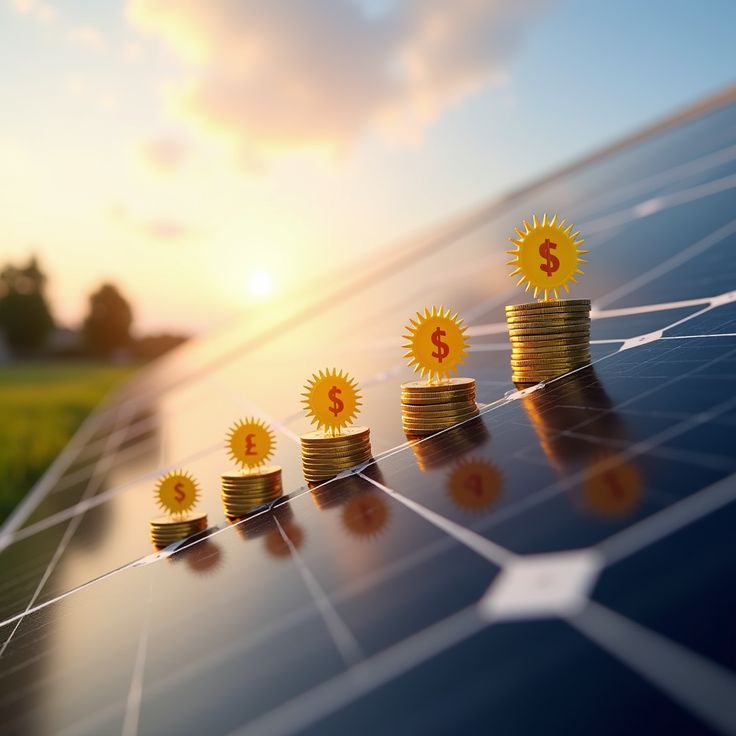
Switching to solar energy offers numerous advantages for homeowners. One of the most significant benefits is cost savings on electricity bills. Generating your own power means less reliance on utility companies and lower monthly expenses.
Solar energy also increases property value. Homes equipped with solar panels often attract buyers looking for energy-efficient features, making them more appealing in the real estate market.
Additionally, using solar power contributes to environmental sustainability. By harnessing renewable energy, homeowners reduce their carbon footprint and play a part in combating climate change.
Moreover, government incentives can further ease the transition to solar. Tax credits and rebates make it more affordable than ever to invest in this clean energy source without breaking the bank.
Many people appreciate the independence that comes from generating their own electricity. It creates a sense of security against rising utility rates and fluctuating fuel prices.
Traditional methods of financing solar installation
When it comes to financing solar installation, homeowners typically consider a few traditional options. One of the most common methods is purchasing the system outright. This approach provides complete ownership and allows for maximum savings on energy bills over time.
Another popular option is taking out a loan specifically designed for solar systems. These loans can cover equipment costs and installation fees, making it easier to manage upfront expenses while still benefiting from clean energy.
Some homeowners also opt for home equity lines of credit (HELOCs). By leveraging their property’s value, they can secure funds for solar investments without draining their savings.
While these methods certainly have their merits, they often require significant initial capital or long-term commitments that may feel daunting to many. As a result, alternative financing solutions are gaining traction among those looking to go green without breaking the bank right away.
Introduction to solar leasing and power purchase agreements (PPAs)
Solar leasing and power purchase agreements (PPAs) offer innovative pathways for homeowners looking to embrace solar energy without the burden of upfront costs. These options provide an attractive alternative for those who may feel overwhelmed by traditional financing methods.
With solar leasing, you essentially rent the solar system from a provider. You pay a fixed monthly fee, which typically covers installation and maintenance. This means you can start enjoying savings on your electricity bill right away.
On the other hand, PPAs involve purchasing the power generated by the solar system at a predetermined rate per kilowatt-hour. This price is often lower than local utility rates, making it financially appealing over time.
Both options allow homeowners to harness renewable energy while sidestepping hefty initial investments. They make going green not just feasible but also economical for many families.
How solar leasing and PPAs work
Solar leasing and power purchase agreements (PPAs) offer homeowners a way to transition to solar energy without the burden of upfront costs.
With a solar lease, you essentially rent your solar system from a provider. You make fixed monthly payments for the use of the equipment. This option often includes maintenance and monitoring services, making it hassle-free for you as a homeowner.
On the other hand, PPAs allow you to pay only for the electricity generated by the solar panels at a predetermined rate that is usually lower than your local utility rates. Here, you’re not paying for the system itself but rather for its output.
Both options provide significant savings over time while allowing access to clean energy. They’re especially appealing if you’re looking to avoid hefty installation costs or are concerned about maintaining equipment.
By choosing either route, you can enjoy reduced energy bills and contribute positively toward environmental sustainability without any initial financial strain. Your shift towards renewable energy becomes not just feasible but also financially smart in today’s world where green solutions are increasingly becoming essential.