

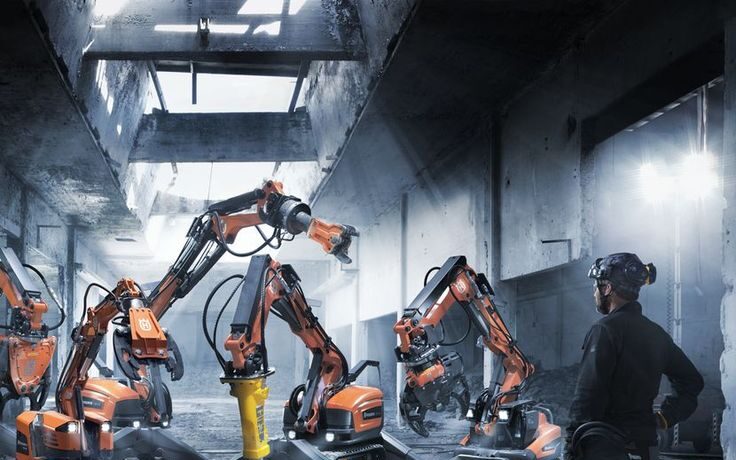
The construction industry is evolving at a breakneck pace, and one of the most exciting developments in recent years has been the rise of advanced demolition robots. These high-tech machines are not just fancy toys; they are revolutionizing the way we think about tearing down structures. With their ability to work efficiently in tight spaces and perform tasks that would be dangerous for human workers, it’s no wonder more projects are opting for robotic assistance.
Imagine a project where heavy lifting doesn’t require dozens of laborers or where hazardous materials can be handled with minimal risk. Demolition robots make these scenarios possible. As safety concerns merge with efficiency demands, these cutting-edge tools have become game-changers on job sites around the world. Let’s delve deeper into why so many projects are choosing to harness the power of demolition robots and how they could shape our future in construction.
Advantages of Using Demolition Robots
robot demolition melbourne bring a host of advantages to the construction industry. Their ability to work in confined spaces is invaluable, allowing for efficient deconstruction where traditional methods might struggle.
Safety is another key benefit. By minimizing human exposure to hazardous environments, these machines reduce the risk of accidents and injuries on-site. Operators can control them from a safe distance, ensuring that workers remain out of harm’s way.
Efficiency also sets demolition robots apart. They can complete tasks faster than manual laborers and deliver precise results with minimal waste generation. This leads to cleaner job sites and quicker project turnaround times.
Environmentally conscious companies appreciate how these robots aid in selective demolition, enabling recycling efforts by separating materials during the process. This approach aligns with sustainable practices while optimizing resource use.
Incorporating advanced technology like demolition robots transforms project execution and enhances productivity across various sectors of construction.
Types of Demolition Robots
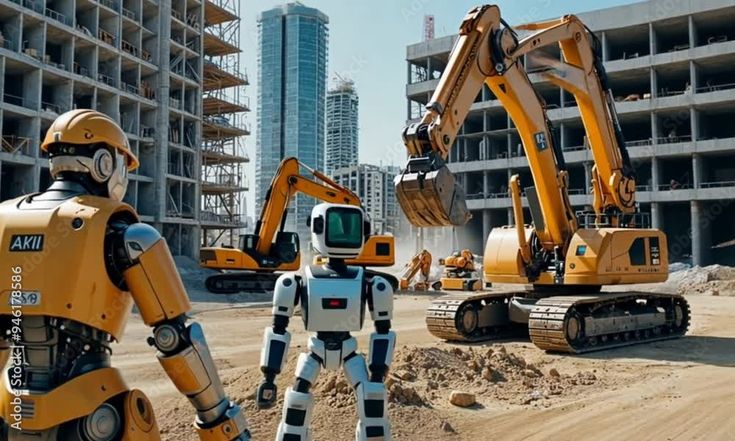
Demolition robots come in various shapes and sizes, each designed for specific tasks. A compact model is perfect for tight spaces, making it ideal for urban environments where maneuverability is key.
Larger machines are built for heavy-duty projects. These robust models can tackle concrete walls and structures with ease. They often have powerful attachments that enhance their efficiency.
Remote-controlled demolition robots offer increased safety by allowing operators to work from a distance. This minimizes the risk of injury during hazardous jobs.
Some advanced versions even incorporate artificial intelligence. These smart machines can assess their surroundings and make real-time decisions, optimizing performance on the fly.
Specialty models exist as well, such as those equipped with water jets or dust suppression systems. These features help manage debris and environmental concerns during demolition activities.
Success Stories from Projects Using Demolition Robots
Across the globe, demolition robots are reshaping project outcomes. In a high-rise renovation in Chicago, a robotic system tackled confined spaces with ease. Workers marveled at its precision as it dismantled walls while minimizing debris.
In another instance, a bridge demolition in London showcased impressive efficiency. The robot operated around the clock, significantly reducing downtime and keeping the project on schedule.
A notable success came from an industrial site in Germany where heavy machinery faced limitations. A compact demolition robot navigated tight areas effortlessly, allowing for safer operations without risking human safety.
These stories highlight how advanced technology enhances productivity and safety on-site. With every successful deployment, more projects recognize the value of integrating robotics into their workflows. Demolition is evolving rapidly; these robots lead the charge into modern construction practices.
Factors to Consider When Choosing a Demolition Robot
When selecting a demolition robot, several key factors come into play. First and foremost is the type of project you are undertaking. Different robots excel in different environments, so understanding your specific needs is essential.
Next, consider the size and weight of the robot. A larger machine may be more powerful but can also be less maneuverable in tight spaces. Alternatively, smaller models might struggle with heavier materials but shine in confined areas.
Also think about power sources. Some robots operate on electricity while others may utilize hydraulic systems or combustion engines. Each option has its pros and cons regarding efficiency and sustainability.
Additionally, examine the available attachments for each robot model. Versatility can significantly enhance productivity by allowing operators to switch between tasks seamlessly.
Factor in maintenance requirements and support services from manufacturers or suppliers. A reliable partner can make all the difference when it comes to minimizing downtime on your projects.
Making an informed choice will not only impact how well a project runs but also contribute to safety protocols and overall success rates within demolition work sites.