


Properly maintained sporting grounds are absolutely needed in terms of performance as well as safety. Be it a football field, a cricket pitch or a multi-purpose playing surface, the right condition of the ground enables the sportspersons to give their best. Effective drainage is one of the most important when it comes to sustaining such conditions. The drainage systems used on sports grounds are meant to wash off the surplus water on the ground, thus avoiding waterlogging, and to allow the field to be used even after downpour. Sports facilities may keep the surfaces of high quality all year round with appropriate drainage solutions.
Deterrence of Waterlogging and Damage at the surface.
Preventing the accumulation of water on the field is one of the major reasons why sports ground drainage is required. Rainfall may leave a number of water at the surface which creates muddy and slippery conditions that may cause the players to move freely. Poor drainage may also result in uncompromised ground, thereby exposing people to injuries.
Good drainage systems facilitate in moving water off the playing field enabling the field to be dry faster. This enhances safety besides safeguarding the field structure. Surfaces such as grass can be damaged when water stays on them and one may end up having patchy or unhealthy grass.
Proper sports ground drainage keeps grounds in good condition and in place since the surface is always kept dry and stable. This is more so to the facilities that are to receive regular matches, training sessions or events.
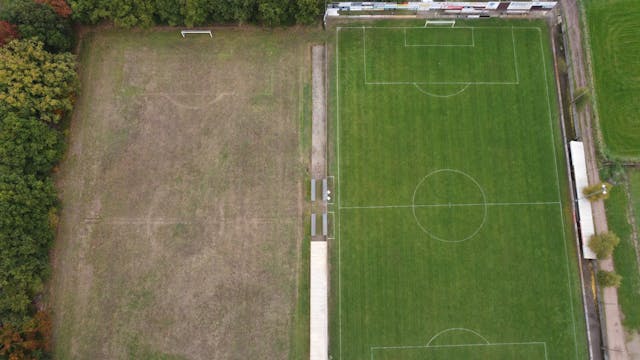
Enhancement of Playability and Performance.
Quality of play directly depends on the quality of a sports ground that is well drained. In case the surface is hard and smooth, athletes are able to run, pass, and make moves easier. Wet and uneven surfaces, on the contrary, may slow down the game and influence the result of games.
Sports demand ground conditions that are particular and drainage systems facilitate consistency. One example is that in football and rugby, the surface should be stable where it is possible to gain better traction and efficient control of the ball. In cricket, adequate drainage is essential to make the playing ground fit to play without making the court to be wet and this will lead to wastage of time.
The drainage systems that are used nowadays are constructed to operate below the ground and they include sand, gravel and pipe layers to direct the water away effectively. Such systems are useful in keeping the equilibrium between maintaining the wet conditions and dissipation of water that will promote the best playing conditions.

Maintenance and Sustainability of the Long-term.
Sports ground drainage is also a good way to invest in long term maintenance. In the absence of adequate drainage, grounds can be frequently repaired, re-turfed or resurfaced as a result of water damage. Facility managers can find this to be expensive and laborious.
An effective drainage system decreases the maintenance cost, which is always required since it guards against too much moisture in the field. It also helps in growing grass in a healthy manner since the roots are not suffocated by water. This results in optical playing surfaces in the long run.
Moreover, with the help of modern drainage solutions, it is possible to design them in a sustainable manner. Certain systems gather water and recycle it to be used in irrigation, which prevents wastage of resources and ensures quality of the field. Sports ground drainage is an important aspect of preserving athletic facilities as it is efficient, durable and environmentally aware so that they can be safe, operational and functional all year round.